
Buy a land to cultivate to start a new company is not easy. Those who decide to transform their passion for the vegetable garden into a structured economic initiative, that is start a farmthey must necessarily look for land to buy, rent or loan for use. However, these classic formulas have different costs and represent opportunities to be carefully evaluated.
In this article we understand what are the elements to consider before choosing an agricultural land, and we analyze, in addition to the purchase, the alternatives of rent and loan.
Tips for buying land to cultivate
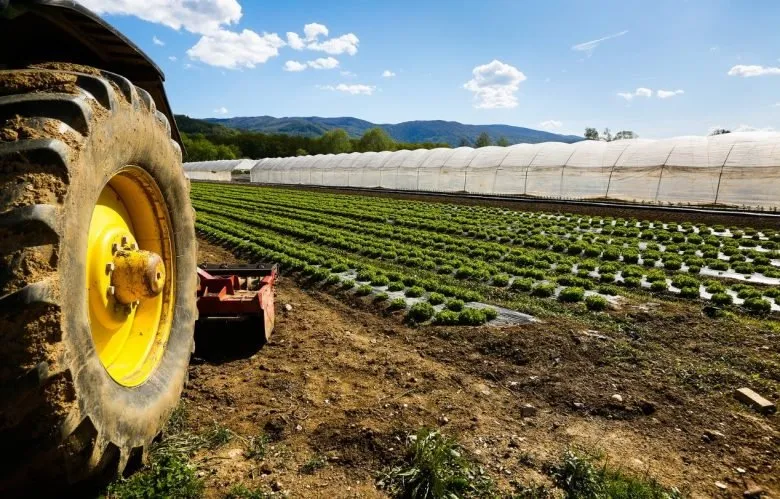
Usually, the search for the purchase of land to cultivate is done by professionals in the sector or by those, often young entrepreneurs, who would like to enter that sector for the first time. Let us consider this second case, that is, of one or more young people who wish to embark, seriously, in an agricultural activity to obtain an income. The first evaluation to be made is above all of an economic type, that is to understand what the available budget is and evaluate the possibility of accessing subsidized loans.
Initiatives and funding
In this sense, the initiative of theIsmea (Institute of services for the agricultural food market) which has developed a national bank of agricultural land, to which young aspiring entrepreneurs can turn to find the land they need. The same project offers other interesting funding opportunities, such as the first settlement, or some special funding for female entrepreneurs.
In our country, moreover, the organization of the agricultural sector is delegated to regional autonomy, especially for the management of most of the European funds. It is therefore important to understand what are the opportunities and priorities identified at the legislative level in each individual territory. The economic factor is the first major obstacle to buying land, also because, let’s face it, the best land costs a lot.
How to evaluate a land to cultivate
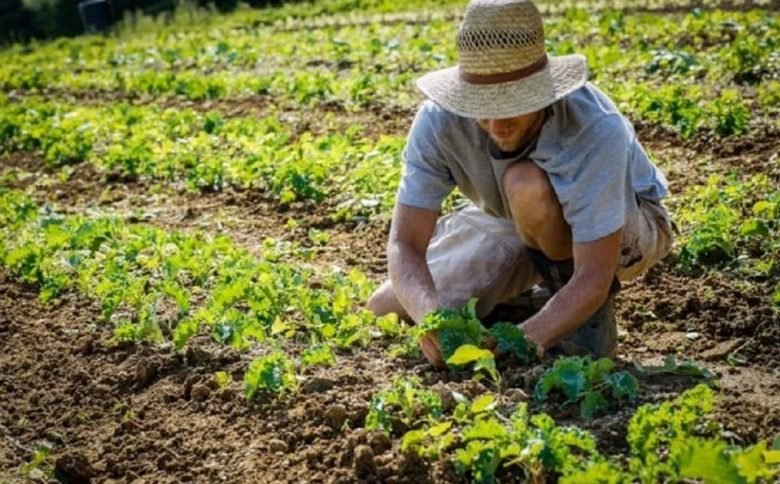
What are the elements to evaluate in order to choose a land on which to cultivate? The parameters are different, but they are all important. For example, it is necessary to evaluate its suitability, accessibility and the possibility of working easily. Then there is the logistical factor and the state of the fund to look at. In short, it is not an easy choice. But let’s analyze these factors more specifically.
Vocation
First, you need to be clear about what you want to do with agricultural land. For example, if the business idea is that ofplant a new olive grove, the ground must have certain characteristics. These will be very different if, for example, the business activity is aimed at the intensive cultivation of vegetables in the open field. In this sense, a fundamental distinction is that between irrigated and non-irrigated land. Irrigated land, i.e. with water availability independent of contingent factors, has a considerably higher cadastral value.
Accessibility and workability
It is also very important to understand if the land identified is easy to access worked with agricultural vehicles of a certain importance, such as a trattoria. It is clear that the easily accessible, level plots are better and more expensive than the impervious ones, or those that are crumbling on a steep hill.
Logistics
Another important factor in evaluating a land is the logistics system that revolves around it. For example, I may have found the most beautiful plot in the world, but if I have to travel 100km of motorway and another 50km of country lanes to reach it, perhaps it is better to leave that ground alone. Furthermore, the distribution costs of the products that will be incurred will be considerably higher, and direct sales in the company will be precluded a priori. If, on the other hand, access to the land is easy for our potential customers, we will have a huge competitive advantage.
Fund status
The most “economical” lands are those left by the owners in a state of neglect, for the most varied reasons. An abandoned land is not in itself an absolute limiting factor, on the contrary, it can sometimes be an advantage, as, often, they are soils at rest and on average fertile. But beware of the restoration costs, which can sometimes exceed the value of the land itself. Eg, clean up completely from a bramble infestation uncultivated land is very complex and can require a lot of manpower.
Presence of accessory structures on the bottom
Closely related to the two previous aspects is the possible presence on the bottom of accessory structures (warehouses for the storage of products, sheds for processing, wells for irrigation, cottages, etc.). Buying agricultural land already equipped with structures in a good state of conservation can be very advantageous, but do not think that the seller does not rely on this structural potential in the negotiation.
Conversely, if any structures were in a total state of degradation, perhaps not in accordance with the law, it is you who negotiate in terms of price to your advantage. Building a new structure costs much less than restoring an old one.
A little different speech for the possible presence of cottages or houses, which could become part of the activity (farmhouses, bed and breakfast, etc.).
What was previously grown on the ground?
This aspect must also be taken into consideration when deciding to buy land from scratch to be used for cultivation. You want do organic farming? Well, you certainly can’t buy land that was previously cultivated with massive use of herbicides and pesticides. The poisons that are so lightly used in traditional agriculture take years to dispose of, in addition to razing biodiversity to the ground. Obviously, no owner will tell you that the land he tries to sell you is poisoned. Therefore, have in-depth analyzes of the soil and irrigation water carried out, even before starting the negotiation for the purchase.
The importance of agronomists
As you can see, the choice of land purchase is quite articulated and complex. Those who buy do not always have the cognitive tools to evaluate the quality and therefore also the fair price of agricultural land. Before you start looking for a plot, try to get a good field agronomist to assist you. Firstly, because they are the first to be made aware of the good buying opportunities on the market. Better to pay a professional in the field rather than a simple real estate agency. And then, the agronomist is able to understand if that land responds optimally to your business idea (if, so to speak, on that land it is better grow vegetables, fruit trees or maybe both).
The advantage of owning agricultural land
In agriculture, owning the land is a huge advantage, as the work carried out always gives results over time. For those who do not have a family agricultural tradition and want to enter the world of agriculture for the first time, the land owned by them represents a strong barrier to entry. The value of the land can never be seen in a short-term perspective, but as a life choice, for a future to be cultivated as we like. That’s why owning agricultural land gives this kind of breathing space. For example, if we have to decide on building a well, by doing so we know that, for the next 30 years or more, that well will be there, serving our field. This also explains how the practice of taking over is very successful today in agriculture, with the new generations continuing on the path marked by their parents or grandparents.
The alternatives to the purchase of land to be used for agriculture

However, it is not always possible to buy land to start your own agricultural business. If you do not have the initial capital, you can still opt for more practical alternatives. Specifically we are talking about the rent and the loan for use. Let’s see these two solutions in detail.
The rent
The simplest alternative to buying is the lease of agricultural land, governed by the law 3 May 1982, n. 203. Chapter I, Title I (articles 1-7). This law establishes the duration of the lease, which must be at least 15 years, and a whole series of regulations in favor of the farmer / tenant, compared to other rental contracts. Renting a land can be an excellent idea for those who already work and want to expand their cultivated plots, perhaps by turning to neighbors with firm land. It is also a good option for those starting from scratch, as the initial costs are low and generally sustainable with the revenue from the business. Owning a rented field, with regular contracts, gives the possibility to access regional financing. It is clear, however, that the land improvements carried out are always to the advantage of the owner, who can withdraw from the contract in the event of a serious breach in the management of the fund.
The loan for use
Another alternative to buying, to have land to cultivate for free, is the loan for use, which is, in fact, almost always free. In this case, the owner of the property (the lender) grants his land on loan (to the borrower), agreeing a fixed duration, which can be renewed. In this type of agreement, the lender can request the return of the fund more immediately than the lease agreement. It can be a solution for those who no longer have the ability to manage their land. In fact, it allows you to keep them clean and at the same time gives some young people the opportunity to gain experience in agriculture and try to start an agricultural business. Let’s say that it can be the initial step to take before renting and buying land.




Start a new Thread