
Talking is cheap
Oblivion has the kind of selective dialogue expected from modern RPGs. However, when you have to get an NPC to do something, it gets pretty weird.
In most RPGs, your charisma is a stat you can build. And when you try to convince someone of something, the game rolls a virtual die, adds your charisma, and sees if you’ve succeeded or not.
In this game, the appropriate skill is Speechcraft, which helps influence your success or failure in a special persuasion mini-game. During this minigame, you can make four choices while interacting with an NPC: Admire, Brag, Coercive, and Joke.
Do all of this with an active timer as you manage the rotating wedges that represent these different areas. While Speechcraft sounds good in theory, she turns persuasion attempts into a stressful and annoying slog.
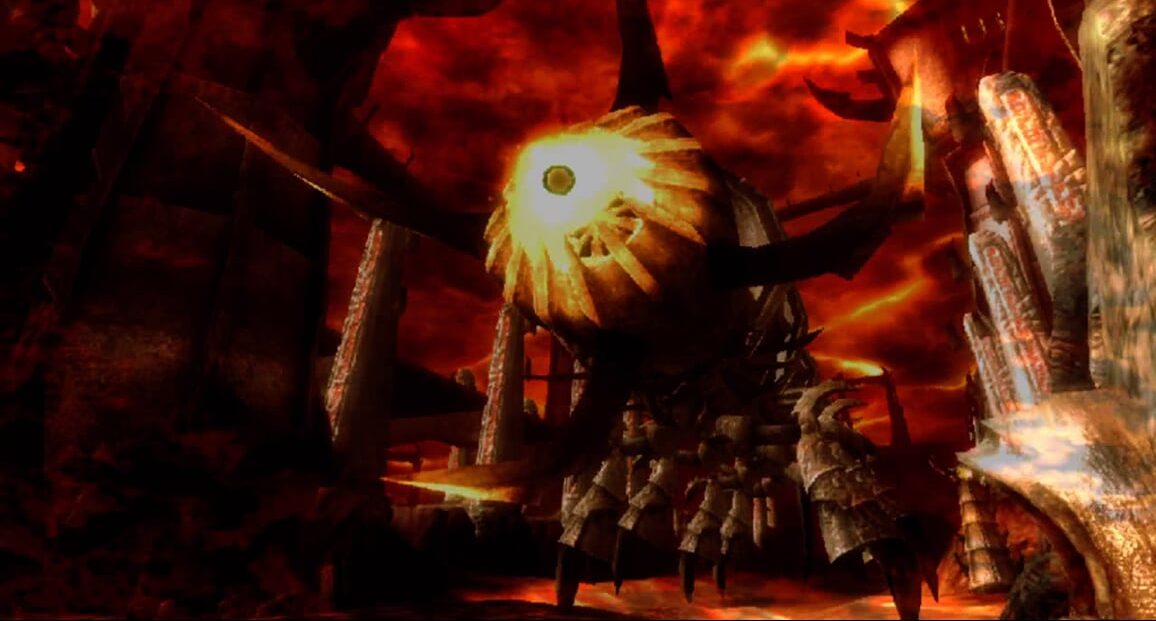
Combat: a mixed bag
I’ll just say it: the combat in this game is very disappointing.
Most classes balance melee weapons and spells. But any form of combat manages to disappoint.
In melee, you’re basically just beating up an enemy that’s standing there hitting you. There is no dynamic that causes it to fall backwards … just a boring back and forth to see which health runs out first.
And despite all the available spells, most magical combat comes down to throwing some kind of fireball, running around a room until the spell recharges, and then casting it again.
Basically, if you’ve played Skyrim before playing Oblivion, you’ll almost certainly be disappointed in the combat.
Final verdict
So, is The Elder Scrolls IV: Oblivion still worth playing? The answer is “yes”, as long as you enter it with wide eyes.
If you’re here for extensive voice acting (including Patrick Stewart), open world exploration, and fantasy sandbox fun, this is a perfect game.
If you’re here for immersive combat, tons of dialogue options, and a dynamic morality system, you’ll want to find another game.
Category: Reviews
Tag: roleplay



Start a new Thread