
We don’t have to tell you that smartphones have gotten bigger over the years. For a company like Corning that has created a problem: the longer the diagonal of the screen, the greater the stress will be on the glass when you inevitably fumble with the phone and drop it on the floor.
That means it has to keep improving its tough glass formulation to keep up with changes in smartphone design. A couple of years ago it introduced Victus, then a plus version came in 2021 and now it’s time for the sequel, Gorilla Glass Victus 2.
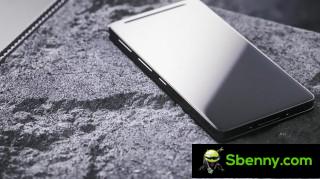
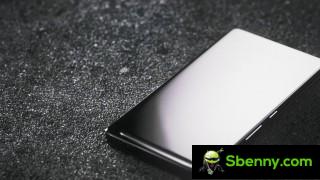
Concrete (left) is rougher than asphalt (right), which means a higher risk of glass shattering
The smooth (possibly carpeted) floor in your home doesn’t pose much of a risk to a modern smartphone. Rough surfaces outside are another matter, though. Asphalt can leave your screen pretty scratched if the glass isn’t strong enough, concrete is even worse.
That was Corning’s goal with this generation of GG Victus: concrete. It’s a mix of concrete, sand and rocks and one of those rocks can really ruin your day if you drop your phone. Concrete is rougher than asphalt, the company uses 80-grit sandpaper to approximate concrete versus 180-grit for asphalt. The mix of different sized materials creates an uneven surface, so a slightly protruding piece of gravel can concentrate all the impact force in one place. Smooth floor tiles you may have at home spread the force, which really decreases the chance of the glass shattering.
Using laboratory machinery to perform the tests, Corning developed the Victus 2, which can withstand a one-meter (hip height) drop to concrete. If you happen to walk on asphalt, the glass can withstand drops from 2m (head height).
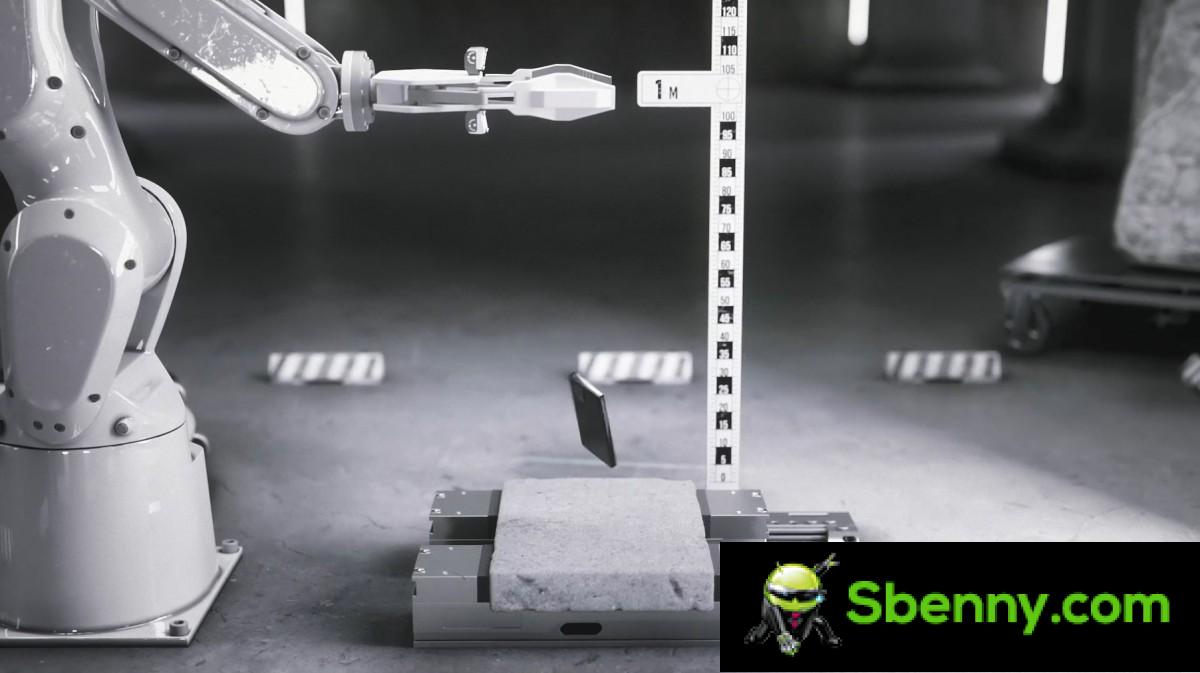
Using robots means that the tests are accurate and easy to replicate
Like we said, bigger phones are a problem. Not only because of the larger screen diagonal, phones have also gotten heavier: an average smartphone today is 10% larger and 15% heavier than one four years ago, according to Corning. More weight equals more force when the phone hits the ground and this aggravates the problem.
Surviving an impact without shattering isn’t enough, however, glass must also resist scratches. These are two separate problems although sometimes they have the same cause – dropping the phone on a rough surface. This is not always the case, pockets and desks also carry the risk of scratches. Also, with the prevailing “glass sandwich” design, Gorilla Glass is often tasked with protecting not only the display on the front but also the back of the phone.
With Victus, Corning believes it has struck a good balance between drop performance and scratch resistance. With Victus 2 the drop performance on rough surfaces has been preserved while maintaining the scratch resistance.
Smartphones decorated with Gorilla Glass Victus 2 are expected to hit the market in the coming months. Which? Corning isn’t naming names for now, but maintains a list of devices currently using GG – sequels to phones using Victus (+) are likely to come to version 2.
PS. We got to speaking with Scott Forester, division vice president and business manager, Glass & Operations Council at Corning, and asked about the challenges of building toughened glass for smartphones. Read more on this topic in a separate article.


Start a new Thread