
Some chipsets are remembered more fondly than others – the Snapdragon 810 has a good story to tell, but we’re in high spirits today, so let’s take a look at the Snapdragon 625.
The Snapdragon 625 was unveiled in February of 2016 and became the first 600-series chip built using the energy-efficient 14nm node. Its predecessor, the Snapdragon 617, was built on a 28nm node and it showed.
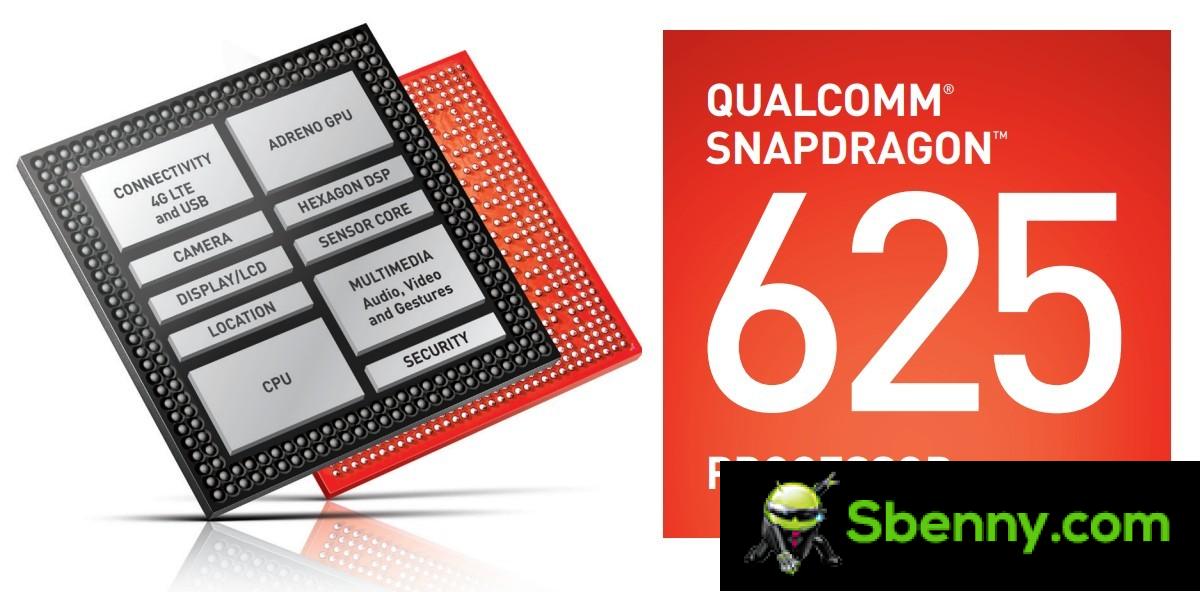
The new 625 used 35% less energy than its predecessor in typical day-to-day use. To put that into perspective, if a phone with the old chip had just enough battery to last from 6am to 6pm, that same phone would last well into the evening if it was powered by the new chip.
Long battery life became one of the Snapdragon 625’s calling cards. It was very efficient and fast enough to power a wide variety of mid-range devices – today we’re taking a look at some of the more interesting devices that have used the 625.
But first, let’s introduce the hardware. The CPU had eight Cortex-A53 cores, not the fastest cores in the world, but the 14nm node allowed them to reach clock speeds up to 2.0GHz. For comparison, the previous chip also had A53s, but they were split into a 4x 1.5GHz + 4x 1.2GHz configuration.
The Snapdragon 625 had two ISPs that could handle up to 24MP cameras and even 4K video recording (using both AVC and HEVC). This was normally left to high-end chips like the Snapdragon 650/652.

The chip has also enabled a solid connectivity suite (for the mid-range). It had an X9 LTE modem – up to 300Mbps downlink, 150Mbps uplink – and a Wi-Fi 5 (ac) modem for speeds up to 433Mbps. There was also Bluetooth 4.1 on board, as well as support for GPS, GLONASS, Galileo and Beidou.
The Snapdragon 625 had everything a phone needed at the lower altitudes of the mid-range segment. Performance was solid if not groundbreaking, and the limitation on FHD-class displays prevented more premium apps (you needed at least a Snapdragon 650 if you wanted a QHD display).
Asus was an early adopter of the Zenfone 3 series. The ZE552KL came with a 5.5″ 1080p display and managed to squeeze a 74-hour endurance out of a 3,000mAh battery (the phone was pretty thin at 7 .7mm).
The Zenfone 3 Deluxe 5.5 ZS550KL was an interesting device: its name was dangerously similar to the ZS5570 Deluxe, which featured the Snapdragon 820 and 821. The ZS550KL, on the other hand, had the Snapdragon 625. Also a different screen, different cameras, etc.

Asus Zenfone 3 ZE520KL • Zenfone 3 ZE552KL • Zenfone 3 Deluxe 5.5 ZS550KL • Zenfone 3 Zoom ZE553KL
Was the 625 really fast enough to measure up to the 820? Well, yes and no, mostly no. The A53 cores were slow individually, though the eight together managed a hair-raising beat of the Snapdragon 820-powered OnePlus 3 in Geekbench 4’s multi-core test. The GPU, however, was nowhere near.
Another phone that may have caused some confusion and disappointment with its name was the Zenfone 3 Zoom ZE553KL. The “zoom” here was just a 2.3x lens fixed at 59mm, nothing like the variable focal length periscope in the original Zenfone Zoom (ZX550).
Xiaomi has used the Snapdragon 625 in multiple devices as well, including the Mi A1, its first Android One phone. It was then enthusiastically received. Several failed updates tempered that excitement, though it wasn’t 625’s fault. The chip was also reused for the following year’s Mi A2 Lite.

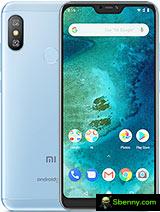
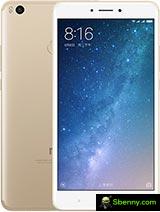
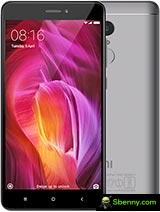
Xiaomi Mi A1 (Mi 5X) • Xiaomi Mi A2 Lite (Redmi 6 Pro) • Xiaomi Mi Max 2 • Xiaomi Redmi Note 4
Another noteworthy Xiaomi from that era is the Mi Max 2, a behemoth with a 6.44″ display – remember, this was in the 16:9 era, so this device was 174.1mm tall and 88mm wide 7 mm It contains a large 5,300 mAh battery, which has extended to 126 hours of endurance thanks to the efficient chipset.
The 625 was also used in the fan favorite Redmi Note 4. With a good quality 5.5″ 1080p display, aluminum frame, decent camera and impressive battery life – 119 hours of endurance, even though the battery was only 4,100mAh – it made this one of the best phones bang for the buck. the buck of the time.
Samsung has also used the chip, for example on the Galaxy C7. This fairly affordable phone featured a large 5.7-inch Super AMOLED display with 1080p resolution, an aluminum frame, and a fairly small 3,300mAh battery that still clocked 100 hours in our endurance test. That’s the Snapdragon magic. 625.
The 625 has also been used in some regional devices such as the Galaxy On7 (2016) launched in China and South Korea and the very similar Galaxy J7 V for US carriers.


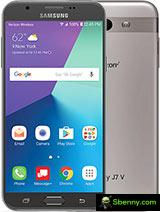
Samsung Galaxy C7 • Samsung Galaxy On7 (2016) • Samsung Galaxy J7 V
Motorola and Lenovo also had some fun devices. The Moto Z Play was the budget Z Phone but retained compatibility with the innovative (if ill-fated) Moto Mod modular system. There were also much more standard phones like the Moto G5 Plus and G5S Plus.
Several Lenovo tablets used the 625, for example the Yoga Tab 3 Plus with its unusual “folded magazine” style bottom that held a large speaker and kickstand. There were also thinner devices like the 7mm Lenovo Tab 4 10 Plus.

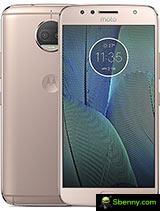
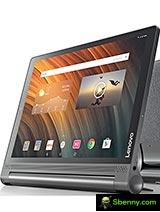

Motorola Moto Z Play • Motorola Moto G5S Plus • Lenovo Yoga Tab 3 Plus • Lenovo Tab 4 10 Plus
After the failure of Passport and Priv premium, BlackBerry tried something more affordable. The BlackBerry Keyone was an upright device with a 4.5″ display and a hardware QWERTY keyboard and a Snapdragon 625, of course. This was the successor OS to BlackBerry, so it was running Android 7.1 Nougat at launch.
A few months later came the fully touchscreen BlackBerry Motion with a 5.5-inch 1080p display. This too launched with Nougat which seemed better suited to the hardware: BB OS had smart keyboard-related shortcuts, while Android had lost its dependency on the keyboard very early on.
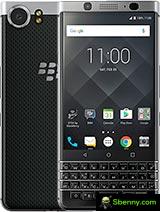
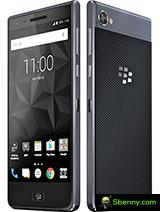
BlackBerry Keyone • BlackBerry Motion
A fairly unique device with the Snapdragon 625 was the YotaPhone 3. This dual screen phone had a 5.5″ AMOLED panel (1080p) on one side and a 5.2″ e-Ink display on the other (720p). . The e-Ink display had capacitive touch and was always on, constantly displaying information widgets.

Yota Yota Phone 3
We will conclude our trip down memory lane with the ZTE Spro Plus, a curious smart projector. It was a kind of tablet with an 8.4″ AMOLED display (2,560 x 1,600 px) and running Android 6.0 Marshmallow. Obviously, the most important feature was the 500 lumen (1,366 x 768 px) laser projector that could create an 80″ image at 2.4m away. With a massive 12,100mAh battery, 4W Harman speakers, and a built-in LTE modem, this could create a personal cinema anywhere.



The ZTE Spro Plus Android projector/tablet
We skipped quite a few Snapdragon 625-powered devices — there are 48 devices in our database, and that’s not counting weird gadgets like the Spro. The very first Huawei nova used the 625, for example, as do a large number of ZTE phones.
The last phones featuring the 625 came out in 2018, two years after the first ones launched – this was a testament to the chipset’s capability and popularity.
Qualcomm also released the Snapdragon 626 in 2016, a slightly overclocked version, which ran its eight Cortex-A53 cores at 2.2GHz (up from 2.0GHz). This version has been used in several phones, the latest of which was released in 2019.
These days the Snapdragon 680 continues the work started by the 625, a popular chipset that meets the requirements of cheap, efficient, decently powerful and with an integrated 4G modem.


Start a new Thread