
In a previous episode we examined the history of the memory card. The microSD has emerged as the clear winner, but it may soon follow MMC and Memory Stick into the afterlife, at least where smartphones are concerned.
A microSD slot is a rare sight these days. SIM cards are also starting to sweat as Apple continues to maintain its eSIM-only approach that it started last year. Yes, it’s US-only for now, but it seems more due to limited eSIM support from carriers globally than anything else, Apple’s preference seems clear: no card slots! And yes, we know that Apple wasn’t the first to go eSIM-only, but it’s definitely the most influential company to do so.
The future now looks scary for those who love the utility of cards: switching phones is as simple as taking out the SIM (no carrier approval needed as with eSIM), and moving a huge collection of MP3s or FLACs is as easy as remove the microSD from the card. a card reader and in your phone.
But once the future looked bright, SIM and microSD would join forces and become stronger together. Unfortunately, that idea never took off. If you are confused, we are talking about the SuperSIM format.
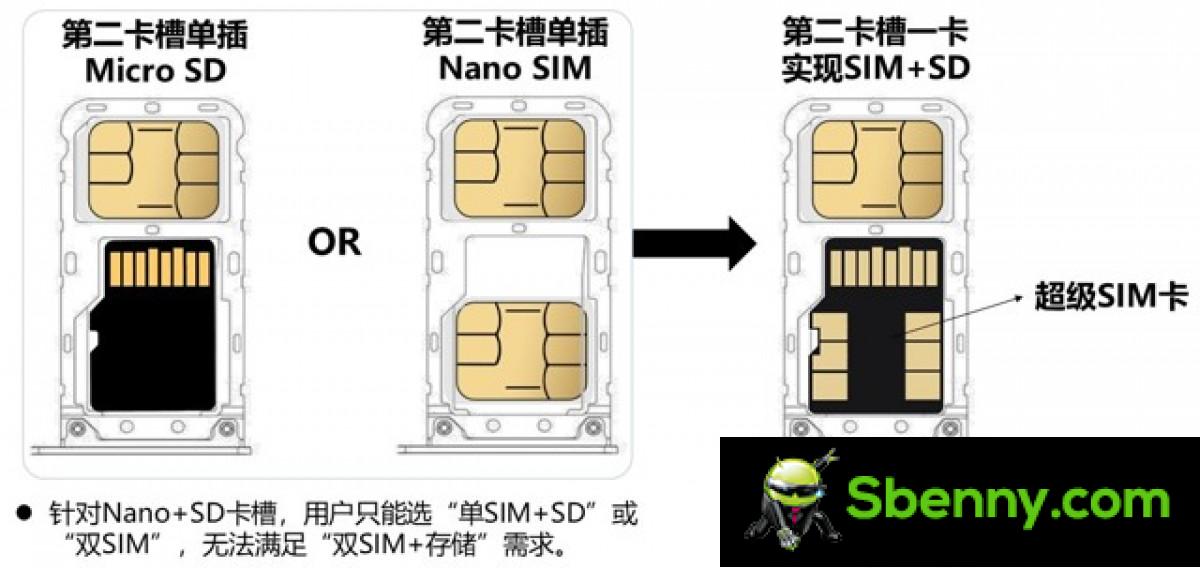
SuperSIMs combined SIM and microSD cards into one package
Those emerged in 2020 in China and combined the features of both. Physically they were the same shape as a microSD, however they had additional connectors that aligned perfectly with the pins of a hybrid microSD/SIM tray.
This way people with phones equipped with hybrid card trays didn’t have to choose between extra storage and a second phone line, they could have both. And even at a low price, a 32GB SuperSIM cost CNY 100 (about $14 at the time), a 64GB card cost CNY 200 (~$28), there are also 128GB cards and later also models from 256GB.
They offered sequential transfer speeds of 90 MB/s read and 60 MB/s write. Not as fast as some of the best microSD cards even in 2020, but not terrible either. Of course, once the standard was established, it would be easy to increase storage capacity and speed over the years.
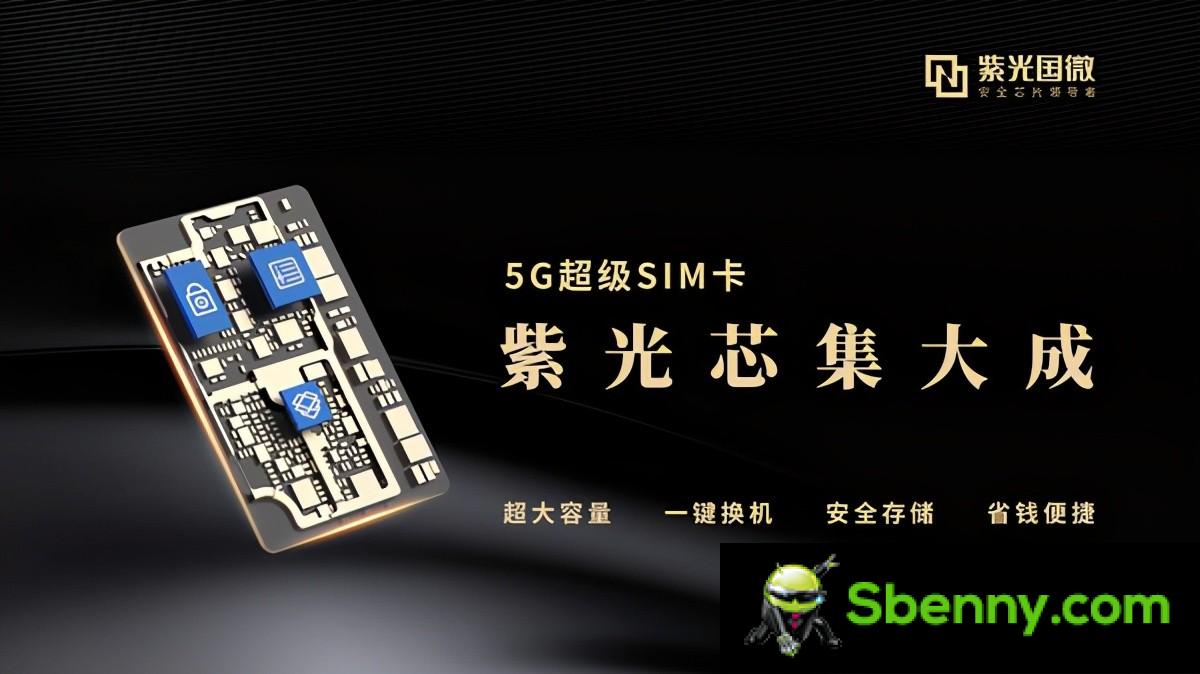
In addition to extending storage space, these cards also functioned as backups and could help when transferring to a new phone: carriers that supported the format released an app that stored address book, photos, apps and other data on the card, ready to be restored. on a new phone, all without touching the cloud.
As far as we know, there was no digital connection between the SIM portion and the microSD portion of the card, it was just a 2-in-1 package. And apparently, some enterprising folks have been making their own “SuperSIM” cards years before the telephone operators launched an official product.


Make a “SuperSIM” card at home
They figured out that with the right combination of cutting, sanding, and gluing, you can put a SIM on the back of a microSD so that both are accessible to the phone. It was a delicate operation, but doable with basic tools and a little courage. You can read more about homemade SuperSIM cards on iNEWS.
The format never really took off: if you search for “Super SIM” today, you’ll find many regular SIMs that are “super” due to their extended roaming coverage.
There is also Huawei’s NM (“nano memory”) card format, which has gone in the opposite direction: memory cards in the shape of nanoSIMs. These were introduced with the Mate 20 series after Huawei convinced Toshiba to support the format (and they tried to get the SD Alliance’s blessing to make it a global standard).

NM card from Huawei and Toshiba
The original NM cards reached a capacity of 256GB and that hasn’t changed 5 years later. The latest Mate 60 phones still support NM, but no other manufacturer has adopted it besides Honor (but that was before the split). Benchmarks of the NM cards showed similar performance to the microSD.
In 2020, Lexar introduced 64GB, 128GB, and 256GB NM cards that cost CNY 200, CNY 300, and CNY 600 respectively, making them more expensive than SuperSIMs. Research in places like AliExpress shows that more and more manufacturers have since started producing NM cards, but none are larger than 256GB.

Lexar’s NM cards
Please note that NM is a pure memory card unlike SuperSIM. This means dual card slots still let you choose between more memory or a second phone line. That’s probably not why NM never caught on.
microSD cards are cheap and plentiful, yet many manufacturers prefer to charge buyers $100 more to upgrade from 128GB to 256GB. You can get a 2TB NVMe SSD for that kind of money, 128GB of flash storage really doesn’t cost that much.
What do you think: was SuperSIM a brilliant or stupid idea? What about NM cards?


Start a new Thread