
Remember last year when SpaceX and T-Mobile announced they were working on a way to beam data directly to your phone from space satellites? The service will launch next year, but will have a phased rollout of features.
This means that in 2024 only SMS will be supported as a kind of trial to iron out all the problems. Then, in 2025, the company plans to start offering voice and data services, as well as IoT features.
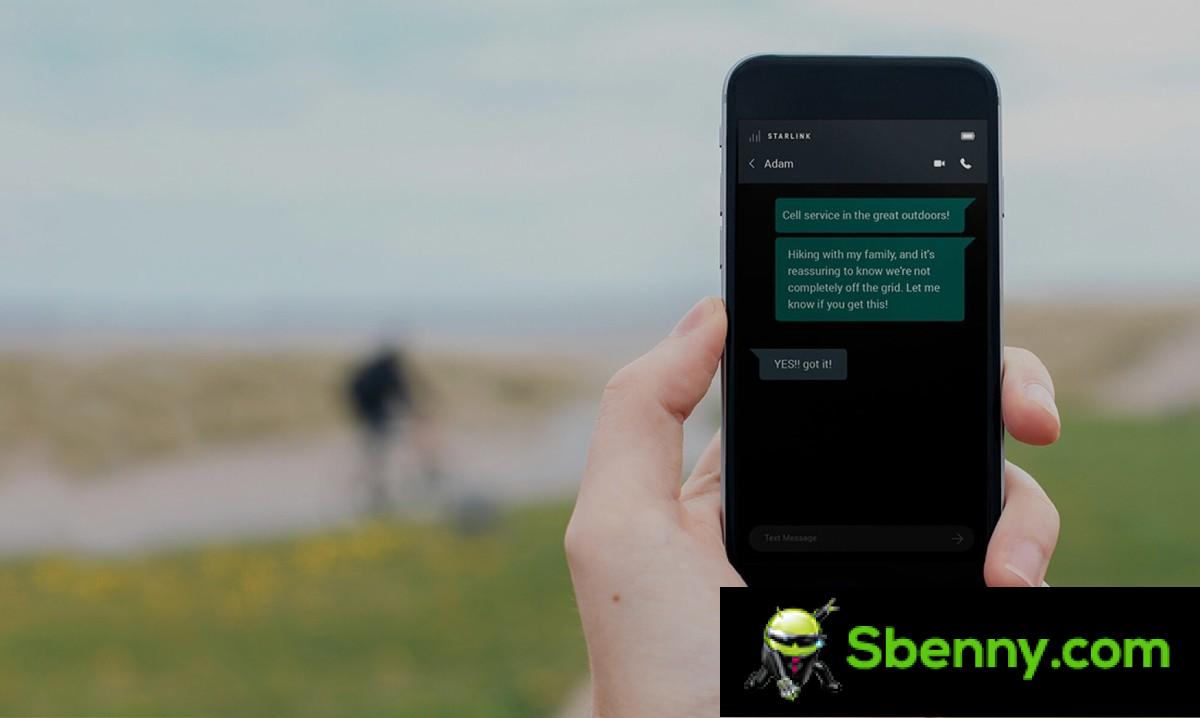
Keep in mind that the connection will be made via LTE, and it’s unclear how much bandwidth will be available. The data service will be fast enough for web browsing, SpaceX says. Even basic SMS will be indispensable in an emergency – Apple has made a lot of progress in making this work (Qualcomm is working on a solution for Android).
Unlike Apple’s solution, however, Starlink’s Direct To Cell service won’t require any special hardware: the new satellites will essentially function like cell towers (except those that fly in space rather than being mounted on a nearby building). This should mean that with a clear view of the sky any 4G capable phone (and other types of devices) will be able to connect. It will start using the app you currently use for texting, but once data service is activated you can use any app (WhatsApp, Skype and even iMessage).
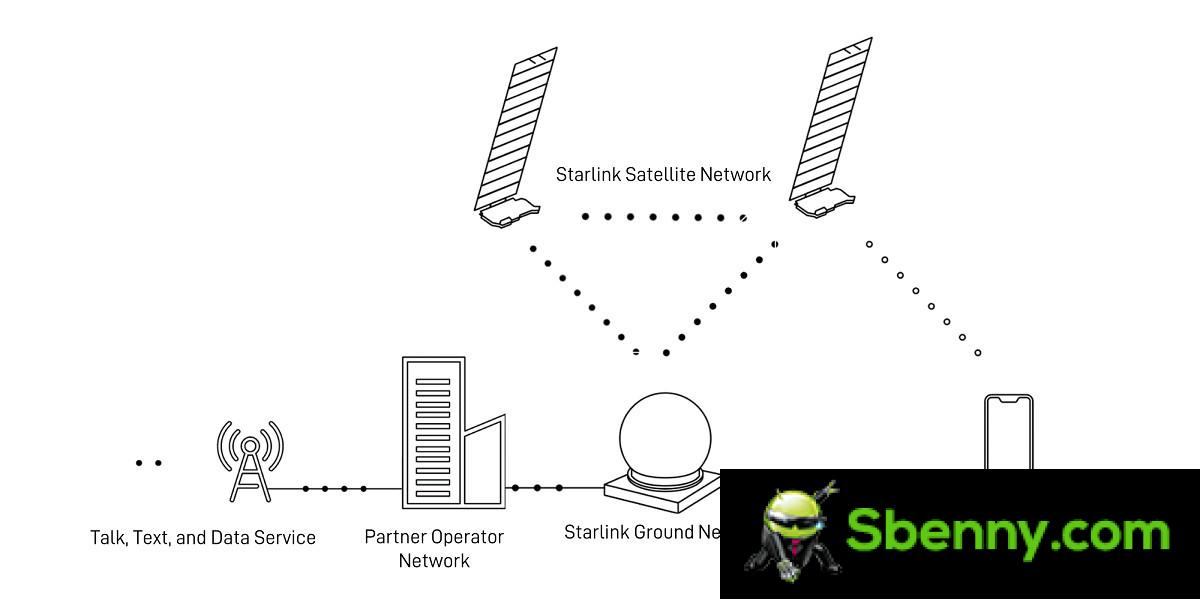
Starlink has signed agreements with several operators around the world: Optus in Australia, Rogers in Canada, KDDI in Japan, One NZ in New Zealand, Salt in Switzerland and T-Mobile in the United States. More will likely join when the service is fully up and running.
Keep in mind that Starlink aims to only cover land, lakes, and coastal waters—if you want internet in the middle of the ocean, you’ll need to sign up for Starlink’s marine service. On land this will fill gaps in carriers’ coverage without them having to build additional infrastructure.

It’s also unclear whether roaming will be available and to what extent, since each country maintains tight control over wireless frequencies, which is why SpaceX is partnering with operators (they paid a lot of money for a slice of the wireless spectrum ).


Start a new Thread