
introduction
Maybe you remember the iPhone 7 Plus, the phone that brought a telephoto lens and made more cameras mainstream, something we’ve taken for granted for years now. However, it wasn’t the first to feature more than one rear camera, nor was it the first to play with artificial bokeh – the HTC One (M8) did this around 2 years earlier. But Apple’s trend-setting power has made 7 Plus’s Portrait Mode a must-have feature across the industry.
Where are we going with this? Well, in 2022 the smartphone camera has improved significantly compared to the days of the iPhone 7. And one of the areas where we have seen significant development is large sensors and bright and / or long lenses. So, could fake bokeh on smartphones be a thing of the past now that we have cameras that can deliver the real thing? Or can they?
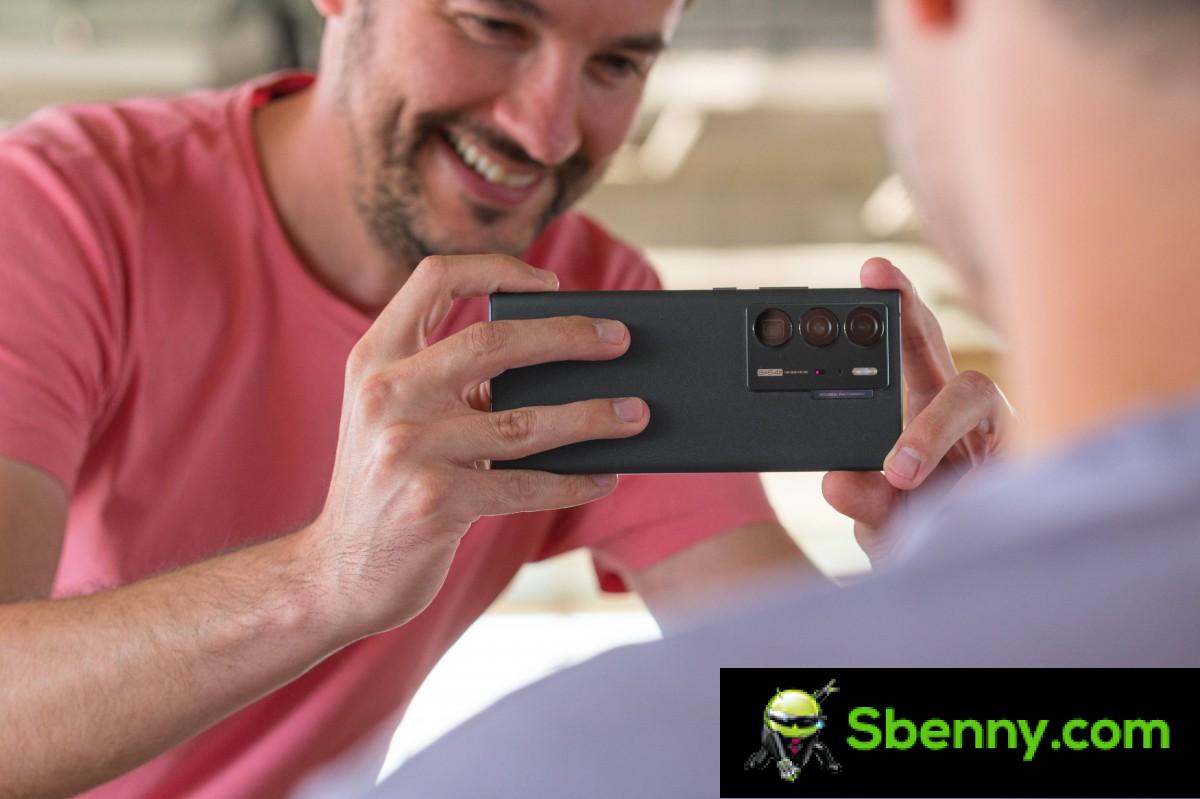
Ever since the Xperia 1 IV walked through our door in early May, we’ve been thinking about taking a look at what its telephoto lens can do for people shots. After all, an 85mm equivalent lens with an f / 2.3 aperture sure sounded like a recipe for beautiful bokeh. We’ve come up with a broader comparison of recent phone cameras for the purpose of taking portraits, all without the software enhancements of portrait modes that every phone now has one.





Xiaomi Mi 11 Ultra • ZTE Axon 40 Ultra • Galaxy S22 Ultra 5G • Sony Xperia 1 IV • Honor Magic4 Pro
We had a general understanding of the practicalities of depth of field and blur blur – put simply, brighter lenses and close subjects make the DOF lower. We also had a good understanding of the effects of sensor size and focal length on how they relate to background blur (and foreground too, but let’s keep that simple) – from experience and intuition.

But when you have a bunch of phones, each with two or three cameras with very different spec sets, intuition can’t tell you how all the numbers are intertwined and how the end results – the photos – will compare. So we did some math.


Start a new Thread