
Another strong year for Realme has come and gone as the company has delivered attention-grabbing devices in multiple price ranges. The only clear gap in the lineup is the lack of a suitable flagship as the absence of the X series continues to be felt. The company is heading in the right direction with its software and could establish itself as a maker of good tablets, if only it takes its slates to more markets.
Winner: Realme GT2 Pro
The year started strong with the unveiling of the Realme GT2 Pro. You can think of this phone as a cheaper OnePlus 10 Pro – it lacks the 3.3x telephoto lens, but it’s also €200 cheaper. OnePlus has other benefits (for example, wireless charging), although the savings may outweigh the lost features.
Another difference is the Android skin, the UI of Realme compared to OxygenOS. We don’t know what you think of Realme’s UI (we kind of love the new version, but we’ll get there), however, the latest version of OxygenOS is moving further and further away from its roots, so it’s not the bastion of pure Android sensibility it once was.
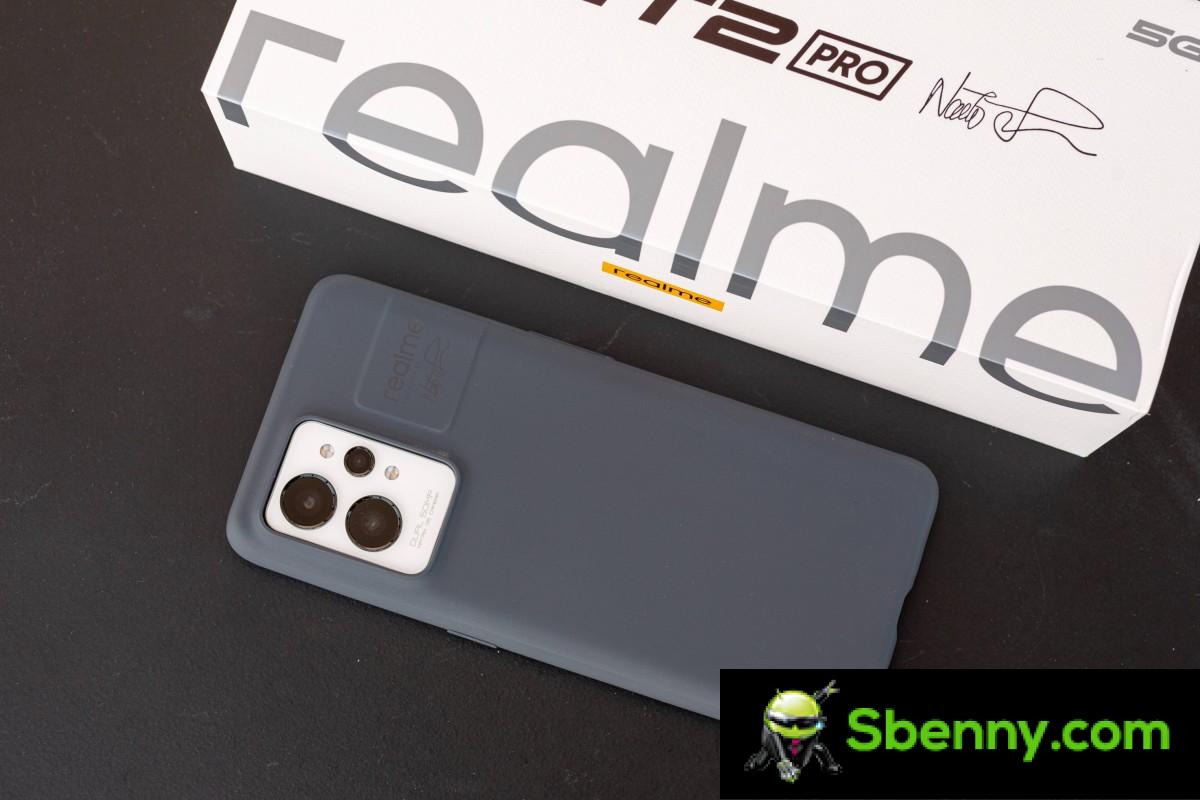
Either way, the Realme GT2 Pro has launched globally at €750, or €650 if you’ve picked up the early deal. It’s now a £550 phone. That’s a great price for a QHD resolution LTPO display, the envy of Galaxy S22+ owners around the world. Also, a Snapdragon 8 Gen 1 chipset for Europeans instead of an Exynos. Samsung aside, this phone looks like how OnePlus phones used to feel. It was one of the best alternative flagships of 2022 and it’s really only the camera and relatively short software support that kept it from true flagship status.
Winner: Realme 9
With record-breaking battery life, a solid 108MP main camera, and a bright 90Hz AMOLED display, the Realme 9 proved to be a very well-rounded mid-ranger, and it was also very reasonably priced.
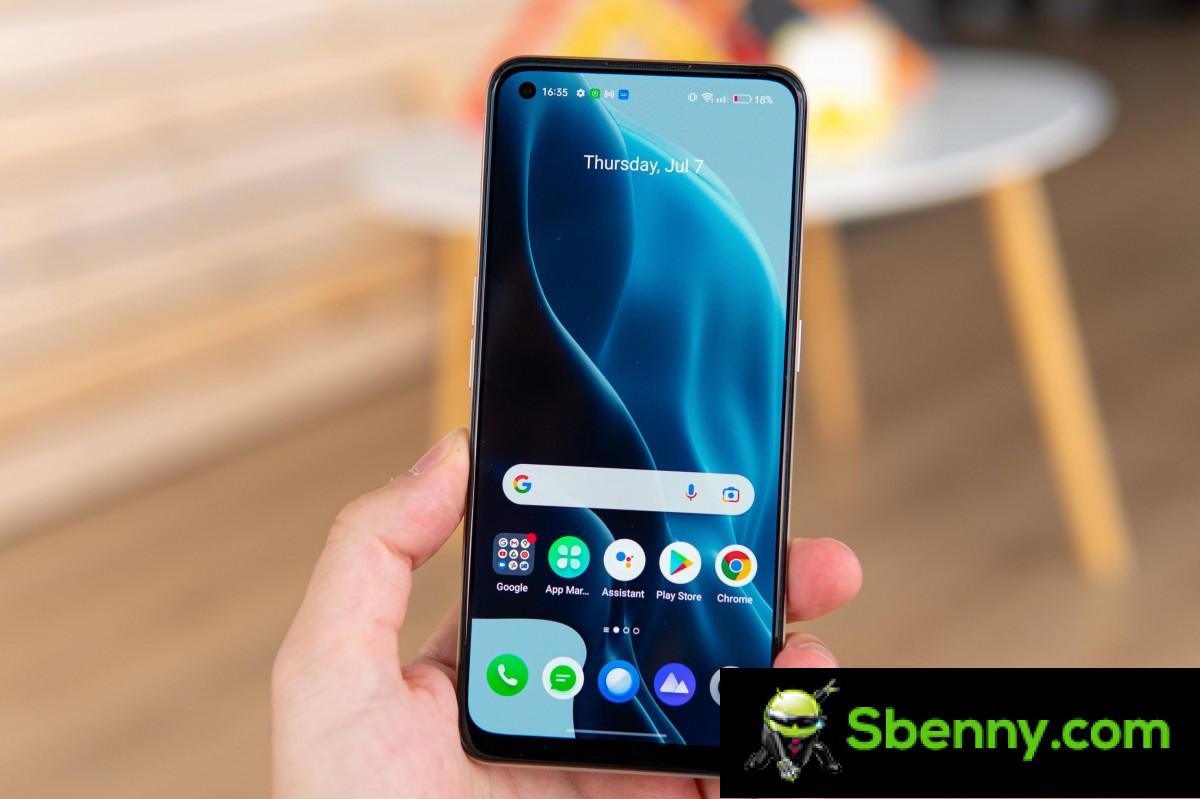
This is probably the last year that a 4G-only mid-ranger can get into the “win” column, since a third of the world’s population already has access to 5G (and that fraction is likely much higher in the markets served by Realme ). Realme had a fair number of 5G-capable phones this year, but the more affordable ones weren’t as good as their 4G siblings. Case in point: the Realme 9 5G.
Loser: Realme 10
Who is this phone for? People who would rather have a 50MP camera with a small sensor instead of a large 108MP sensor? People who don’t like ultra wide angle cameras? The Realme 10 wasn’t as good as the Realme 9, even though it arrived several months later. Sure, the chipset was noticeably faster, but it can’t even maintain 60fps in many games. And it still didn’t have 5G connectivity.
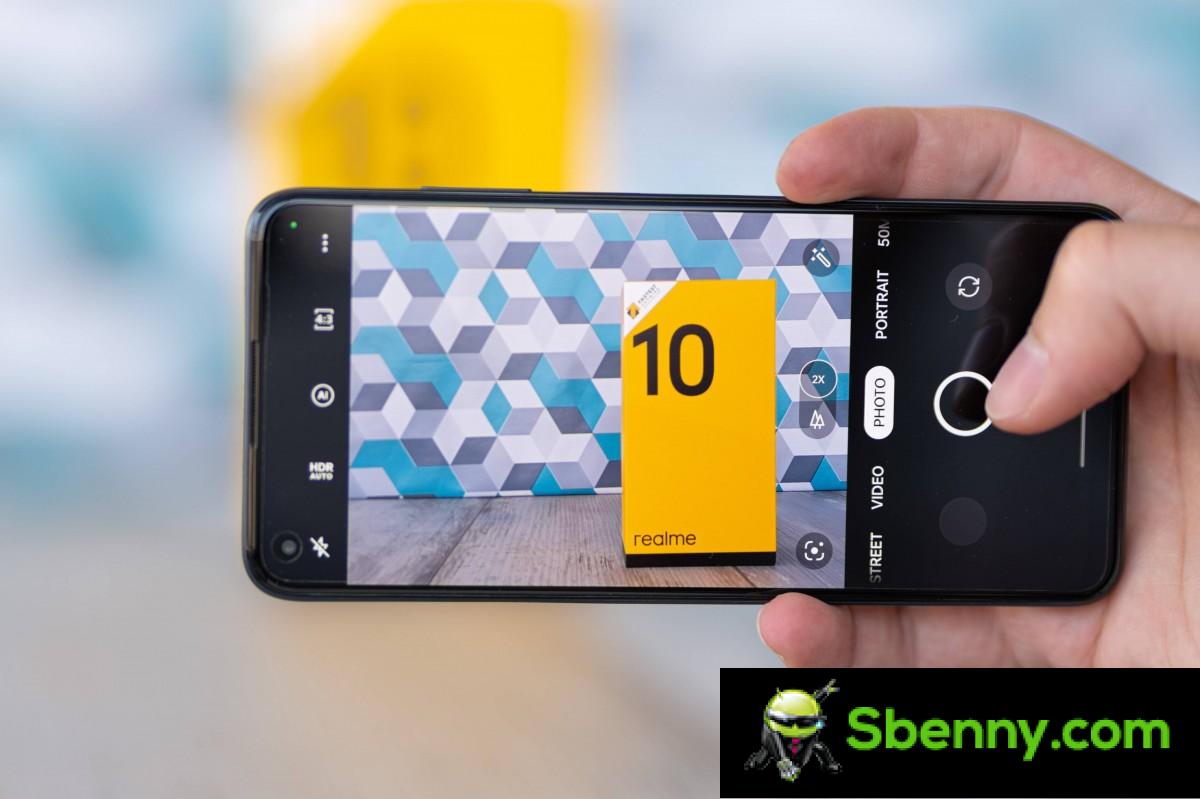
The company may shift gears and want to focus on a series of single issues per year with perhaps a small update after six months, so we should see more focused releases next year.
Winner: Realme 9 Pro and 9 Pro+
The Realme 9 Pro+ has earned a place in our holiday buying guide in the €300 segment. It’s an improved version of the 9 with a more powerful Dimensity 920 chipset that does 5G, plus the 50MP camera has fixed some of the issues we had with the 108MP module (for example it has OIS and better color rendering).

The Realme 9 Pro is a completely different device with a 6.6″ 120Hz IPS LCD instead of a 6.4″ 90Hz AMOLED display like the other two, it also uses a Snapdragon 695 and composes the camera hardware . So, it’s a different recipe, but if you can’t swing the €300 for the Pro+, you can get the Pro for around €250, it’s one of the best mid-range in this price range.
Winner: Realme GT Neo 3
The Realme GT Neo3 was the first phone to hit the market with 150W fast charging. Lithium battery technology hasn’t kept pace with new developments like GaN transistors and proprietary (and soon standard) improvements to the socket USB-C that allow it to carry so much power.
Some people, notably a company in Southern California, say USB-C can limit innovation. The GT Neo 3 is proof to the contrary, USB-C can carry enough power for a Pro laptop, let alone a phone. Not demonstrated here, but USB-C can also carry gigabits of data.

Okay, let’s face it, we’d probably go for the 80W version of the Realme GT3 Neo – it has a bigger battery capacity and the 150W charging is more of a nice tech demo than anything practical (for a phone).
Either way, both were among the first phones to feature the Dimension 8100, one of this year’s hottest chipsets. MediaTek has increased pressure on Qualcomm whose mid-range chips like Snapdragon 780 and 7 Gen 1 have struggled to catch on with smartphone makers.
Winner: Realme GT2 Explorer Master design
This is similar to the GT2 Pro, it has the faster Snapdragon 8+ Gen 1 chipset, faster 100W wired charging, and unfortunately a lower quality non-LTPO FHD+ display. But none of that is why Realme GT2 Explorer Master is here.

Whether you like suitcase-inspired looks or not, Realme is one of the few companies that takes risks and rubber to stand out with its design. The black glass rectangle has become very boring and this was a breath of fresh air.
Loser: Realme X Series
Series X dropped in 2021, but we were hoping it would return this year. As discussed earlier, the GT series phones are great for their price, even if they fall a bit short of the best that OnePlus and Oppo have to offer.
OnePlus didn’t even bother releasing a non-Pro model of the OnePlus 10 series, so there may have been room in the market for a phone with better cameras than the GT2 Pro. We’d have settled for a GT2 Pro+ or something, but the former and Realme’s latest premium launch this year was the GT2 Pro on January 4th.
Winner: Realme Pad X
Realme doesn’t make many tablets – in fact, this is only the third ever – but the Pad X was an excellent mid-range offering. It has a premium look, a bright 11″ display and a punchy Snapdragon 695 chipset, plus optional dual-SIM 5G connectivity.

It’s one major flaw (and it’s a big one) is that it’s not offered outside of India. We almost put this list in the underdog category as Realme serves many markets in Asia, Europe, Middle East and South America, but we can’t recommend Realme Pad X to all but one. This is one of the best ₹20,000 ($245 approx.) tablets money can buy, if you really could buy it where you are.
Winner: Realme UI
Realme was one of the first companies without a Google name to have a beta version of Android 13. The global rollout of Realme UI 4.0 started on December 8, and the Early Access roadmap shows a refreshingly fast release pace. The speed is good, but the duration of the software support is even better.
In 2022 Realme promised only 2 years of support. However, select models such as the GT2 and GT2 Pro have been upgraded to 3 OS updates and 4 years of security patches. Not as good as OnePlus’ new policy of 4 OS updates and 5 years of patches, but better than before.

It’s not all perfect, though. Realme GT2 Pro has Android 13 with the old Realme UI 3.0 instead of 4.0. Xiaomi has been doing this sort of thing for years now, but most companies keep their skin version in sync with the Android version.
That said, we’ve really enjoyed the new additions to Realme UI version 4 – you can read our review on why we think it deserves to be in the Top 5 custom Android skins.


Start a new Thread