
The EU has already decided to make USB-C mandatory for small and medium-sized electronics (including smartphones) from 2024. Some US politicians want to adopt a similar policy and now Brazil’s wireless regulator is asking the people of the place whether he should follow suit.
Anatel has published Public Consultation 45/2022 to measure the sentiment of Brazilian citizens and companies, which have until August 26 to make their feelings known. Unlike the new EU rules, which also include tablets, portable consoles, headphones, speakers, e-book readers and similar electronic devices, Anatel’s proposal only affects smartphones.
The agency also wants to standardize the charging protocol, not just the connector. In addition, the sales package and manual will need to indicate the minimum power required and whether fast charging is supported. Interestingly, the plan is to make USB-C mandatory only for phones that support wired charging, leaving an open port for phones that only charge wirelessly.
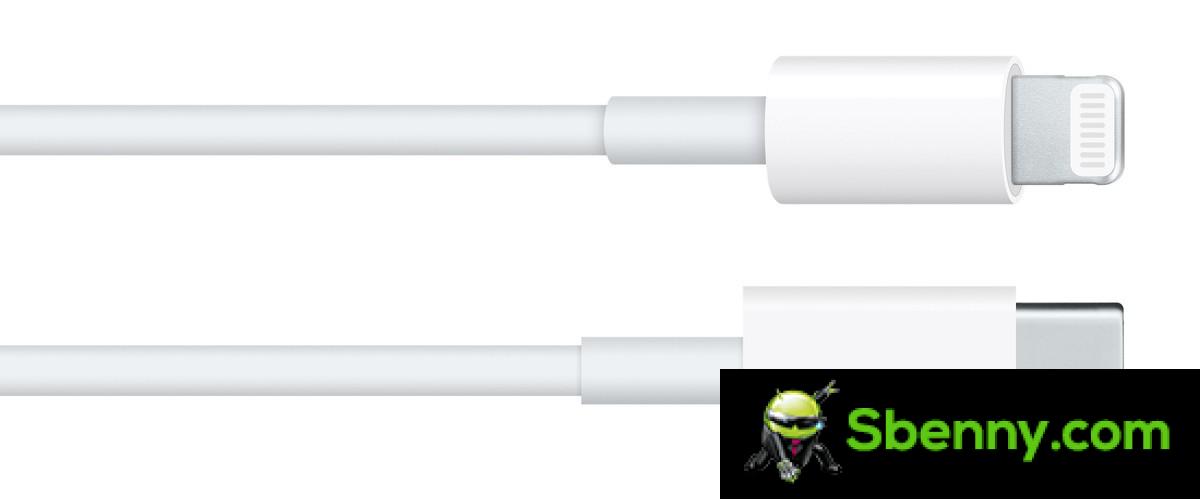
All of this is aimed at Apple, of course, as other smartphone makers have already embraced USB-C (as has Apple itself for iPad and Mac). The company is reportedly already testing iPhones with a Type-C port.
This is not the first time such a move has been considered. For example, in 2019 Anatel published a recommendation defining the requirements for a common charger. The agency echoes the same benefits of the EU and the US: reducing e-waste while increasing customer convenience – a win-win.
And he mentioned the same concern: that USB-C will stifle innovation. Modern smartphones have not reached the limit of the USB-C connector. It can support charging up to 240W and can drive an 8K monitor. Furthermore, the EU has made it clear that it is willing to adopt a new higher standard once the time comes (it was previously pushing microUSB as a common standard, so it has already done so once).


Start a new Thread