
Microsoft and Verizon somehow managed to kill Kin phones twice. The first generation came out in 2010 and was designed by Danger, the company behind the Hiptop (aka T-Mobile Sidekick). Danger was the home of the likes of Andy Rubin and Matias Duarte, which people familiar with the history of Android should know quite well.
We’ve covered Kin’s story before, now we wanted to focus on what happened over the next decade. Well, it looks like Kin’s fate was sealed from the start, as the Windows Phone 7 platform was announced in early 2010.

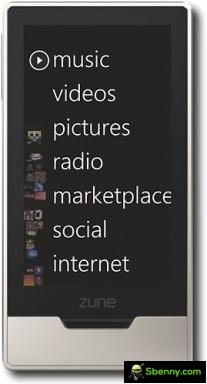
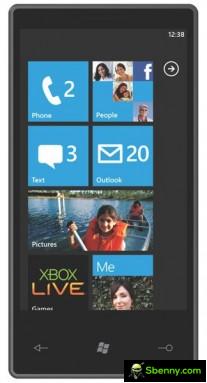
Evolution of the Metro user interface: 2nd generation Zune • Zune HD • Windows Phone 7
Microsoft initially thought it could follow the same game plan as Windows Mobile and indeed the PC: license the software, let others worry about the hardware. The company set some hardware requirements, which held back the first WP7 phones. For example, only WVGA (480 x 800px) resolution was initially supported. There was also an approved list of chipsets, which made WP7 phones lag behind Android in the race to count CPU cores.
You can read our first review of Windows Phone 7. The cons list tells the story of a severely undercooked operating system: no copy / paste, no multitasking, no USB mass storage mode, no system-level file manager , no Wi-Fi tethering and so on and so on.
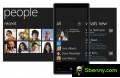



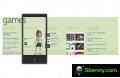
Hubs were a central idea of Windows Phone 7
Despite everything, later in 2010 the first WP7 phones were launched, coming from different manufacturers: HTC, Samsung, LG and even Dell. All of them were already making Android devices, but now the manufacturer of the dominant desktop operating system (and one of the best mobile operating systems of previous years) had joined the game. Could this be the end of the nascent Android operating system? Well, in hindsight, no, not at all. Since we’re on the subject of hindsight, Microsoft employees were a bit premature when they threw a mock funeral for the iPhone, confident of the success of Windows Phone.
Let’s take a look at those early offers. There was the HTC HD7, a successor to the legendary HD2. There was also the HTC 7 Pro, which packed a pull-out QWERTY keyboard, as well as the HTC Arrive, which drew on the “communicator” style devices HTC was building in the early days. The HTC 7 Surround instead had a slide-out speaker, which was an odd choice, considering the early versions of the WP7 weren’t great for music (there wasn’t an equalizer for one).

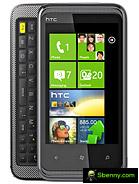
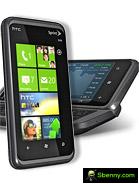
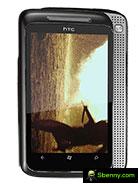
HTC HD7 • HTC 7 Pro • HTC Arrive • HTC 7 Surround
While HTC was responsible for most of the roster, there were others as well. As a sequel to Samsung’s Omnia, the original is one of the most impressive Windows Mobile devices. LG integrated its famous smartphone brand, Optimus, with the LG E900 Optimus 7. The Dell Venue Pro looked like a reliable business phone with its vertical scrolling keyboard and blackberry eyes.


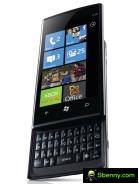
Samsung I8700 Omnia 7 • LG E900 Optimus 7 • Dell Venue Pro
For 2011 Microsoft has managed to secure the collaboration of the largest smartphone manufacturer in the world: Nokia. The new Lumia series made its debut with the Lumia 800 and 710. As the Finns were in a hurry, they reused most of the Nokia N9 hardware when making the Lumia 800. Those two were the only WP7 phones that the new Microsoft’s key partner managed to deliver, which took some wind out of Windows Phone 7.
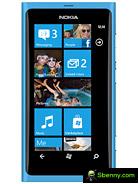

Nokia Lumia 800 • Nokia Lumia 710
Both were powered by the Snapdragon S2, one of the few chipsets on the Microsoft approved list. With a single CPU core it looked a bit underpowered by the end of 2011, considering that in May the LG Optimus 2X entered the Guinness Book of Records as the first dual-core phone. This is one of the occasions when limited hardware support was dragging WP7 down.
Obviously, it was no longer WP7, Microsoft released a new version dubbed Windows Phone 7.5 “Mango”. By September it had already been rolled out to older devices and the Lumia was already ready.
Here’s what the launch version of Windows Phone should have looked like: as we note in our review, it added major features like multitasking and Wi-Fi hotspot functionality, as well as smaller ones like the ability to choose a local file for a ringtone. . By mid-2012 the update was effectively mandatory as Windows Marketplace required v7.5 for downloads.
The original 7.0 version was sadly incomplete, but later in 2012 we found that the situation was much worse: Windows Phone 8 was announced in June and it was soon confirmed that older devices will not be updated, leaving them stuck on the now defunct. 7 branch .x.
How come? Well, there was a reason WP7 phones were behind in the CPU core count race. Despite the external similarities, the two operating systems were very different on the inside: WP7 was based on the Windows CE core (which previously powered Windows Mobile), WP8 was based on the new Windows RT (which powered Windows 8 tablets). This is what enabled multi-core support, superior graphics with higher resolution displays, NFC, and more.

As a consolation prize, older phones were given the Windows Phone 7.8 update, which improved the user interface, but didn’t address the core operating system limitations.
We haven’t mentioned the apps until now, but now is the time to do it. Any new operating system starts with a limited set of apps it can run, which is painful as smartphones are all app-centric. However, WP8 was so different from WP7 that software developed for the original phones from 2010 and 2011 simply didn’t work on new ones, forcing developers to start from scratch.

Moving on to 2013, Microsoft officially announced the acquisition of Nokia’s Devices & Services units. The € 5.4 billion deal made Microsoft the leading manufacturer of Windows Phone devices as other brands had scaled back their involvement.
The deal ended in 2014 and a rebranding effort began in October to transform “Nokia Lumia” into “Microsoft Lumia”. Other manufacturers were still in the game, but only a little – Lumia phones accounted for 90% of phones using the platform at that point.
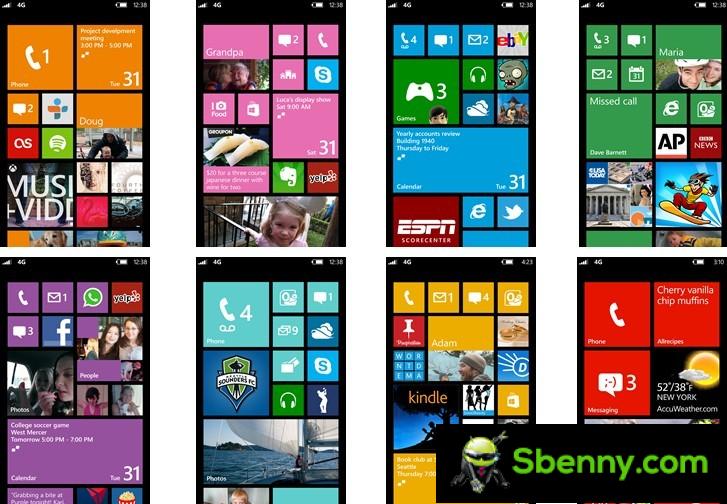
Microsoft continued and in 2015 unveiled Windows 10, which was supposed to be the latest version of Windows. Just a day later he announced the mobile version of the operating system. This too has undergone some rebranding, dropping the “phone” and reverting to “mobile” – Windows 10 Mobile.
Unsurprisingly, a long list of Lumia was announced as the first devices to upgrade to 10. Microsoft wouldn’t repeat the same mistake and lock its users on an old operating system while starting from scratch.

The Lumia 1020, a Windows successor to the Nokia 808 PureView, was not invited to the party, however, that was left at WP8.1. The Lumia 930 and the huge (a whopping 6 “looks compact nowadays) Lumia 1520 have risen to 10, however.
We would like to go back to 2012 Lumia 920 for a moment (which was also stuck on WP8.1). It was the first phone with optical image stabilization, aka OIS, which (at least according to Nokia itself) gave it PureView credit. It also did the 808’s multiple aspect ratio in which it could shoot both 4: 3 and 16: 9 images while losing the lowest possible resolution. By the way, the promotional campaign for the Lumia 920 got Nokia in trouble.
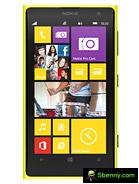

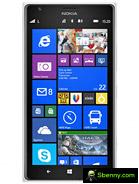

Nokia Lumia 1020 • Nokia Lumia 930 • Nokia Lumia 1520 • Nokia Lumia 920
Moving on to 2015, the Lumia pit was drying up, but it shut down with a bang – the Lumia 950 and 950 XL launched in late 2015. These were the best Windows phones ever made. However, there were only a handful of Lumia launched with Windows 10 Mobile, the other two being Lumia 550 and 650.


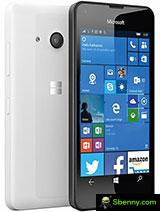

Microsoft Lumia 950 • Microsoft Lumia 950 XL • Microsoft Lumia 550 • Microsoft Lumia 650
The Lumia 650 was launched in 2016 and was the last of its kind. In 2017 Microsoft pulled the plug on WP8.1 with Joe Belfiore saying that bug fixes and security patches will continue, but there will be no new features for phones locked on 8.x.
In January 2019, Microsoft began advising Windows Phone users to switch to Android or iOS. In December, it officially said goodbye, promising to only support Office apps for current devices until January 2021.
Microsoft had given up on making its own smartphone operating system, but it wasn’t out of the smartphone market yet. In 2020 it unveiled the dual-screen Surface Duo. It worked with Android, but Microsoft heavily customized the UI with ideas of powerful split-screen multitasking. It wasn’t a foldable phone, but it had some of the same advantages (and disadvantages).
This was followed by the Surface Duo 2, which improved some teething errors (especially in regards to the camera, battery, and lack of a cover display), but these devices are still niche products rather than serious competitors in the market.

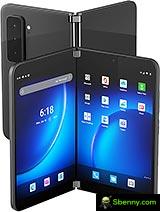
Microsoft Surface Duo • Microsoft Surface Duo 2
There was to be a larger Surface Neo (with dual 9 “displays), which was supposed to run Windows 10X instead of Android, but with the same multitasking UI ideas. However, the project was delayed and later quietly canceled. So like Windows 10X itself, after all.
For what it’s worth, some of the work done on 10X was released with Windows 11 (10 actually wasn’t the latest version). Windows 11 can run ARM-based Android apps on x86 PCs and can run x86 Windows apps on ARM hardware. Microsoft finally has the unified operating system it dreamed of, not that it would make a difference to its smartphone ambitions. These days Microsoft sees the smartphone market as an opportunity to sell apps and services, not phones.


Start a new Thread