
We subjected the Vivo X80 Pro (MediaTek) to our rigorous SBMARK Audio test suite to measure its performance both when recording sound using its built-in microphones, and when playing audio through its speakers.
In this review, we’ll break down how it fared across a variety of tests and several common use cases.
Overview
Key audio specs include:
- Two speakers (one top, front, one bottom, side)
- No audio output Jack
Reproduction
Pros
- Nice low-mid-range warmth
- Quite good dynamic performance
versus
- Muffled sound, almost as if a low pass filter had been applied
- Disappointing spatial performance
- Unpredictable DSP behavior
Registration
Pros
- Natural sounding tonal balance
- Good wind noise reduction
- Good signal-to-noise ratio and intelligibility of recordings
- Handles high sound pressure levels very well
versus
- Slight lack of low-end extension, dull highs
- Poor audio zoom
- Subject to occlusions
With a SBMARK Audio score of 125, the Vivo X80 Pro (MediaTek) performs slightly below the level of its Snapdragon counterpart overall and is far from the top in our ranking. As a playback device, it offers better performance when gaming and offers good warmth in the low-mid range. The sonority sounds muffled, though. The device performs well in terms of dynamics, but loses points in the spatial attribute, as both amplitude and distance rendering leave room for improvement. Sound processing can behave unpredictably, resulting in a variety of artifacts.
Vivo X80 Pro (MediaTek) achieves better results for recording, thanks to natural tonal balance, effective wind noise reduction, good signal-to-noise ratio and intelligibility, as well as good content handling with high sound pressure levels . However, our testers also noted a lack of low-end extension and dull treble rendition, along with an ineffective audio zoom function. It is also recommended that you check your hand position while recording as covering the microphone will have a negative impact on the sound quality.
Test summary
Learn about SBMARK audio tests: For scoring and analysis in our smartphone audio reviews, SBMARK engineers perform a series of objective tests and undertake more than 20 hours of perceptual assessment under controlled laboratory conditions.
(For more details on our reproduction protocol, click here; for more details on our registration protocol, click here.)
The following section collects the key elements of our exhaustive tests and analyzes performed in SBMARK laboratories. Detailed performance evaluations in the form of reports are available upon request. Do not hesitate to contact us.
How the audio playback score is composed
SBMARK engineers test playback through smartphone speakers, whose performance is evaluated in our labs and under real-life conditions, using apps and default settings.
In Playback the device offers an overall decent tone which is a noticeable improvement over the X70 Pro predecessor. It comes with powerful bass and a warm, albeit muddy, midrange. However, the lack of decent treble rendition means there is still some room for improvement. The Vivo also scores well for the dynamic attribute. Bass precision and punch are good, but attack sounds are dampened by processing. The overall dynamics are fairly consistent across volume levels, but there is some variation between apps and use cases.
Performance for the spatial attribute is average. The breadth could be better considering the Vivo is a great device. Depth rendering has room for improvement, and although sound sources are easy to spot in the scene, their location seems too wide. Volume performance is below average, with too low minimum volume and inconsistent volume levels. There’s hardly any distortion or pumping at high volumes, but dynamic processing can compromise sound quality at any volume. While it’s easy to cover the right speaker while gaming, luckily it doesn’t have any major impact on sound quality.
Hear about the playback performance of the smartphone tested in this comparison with some of its competitors:
Samsung Galaxy S22 Ultra (Exynos)
Recordings of smartphones that play some of our music at 60 LAeq in an anechoic environment from 2 microphones in AB configuration, at 30 cm
Here’s how the Vivo X80 Pro (Mediatek) fares in playback use cases compared to its competitors:
Playback of use case scores
The Timbre score represents how well a phone reproduces sound across the audible tonal range and takes into account bass, midrange, treble, tonal balance and volume dependence. It is the most important attribute for reproduction.
Music playback frequency response
A 1/12 octave frequency response graph, which measures the volume of each frequency emitted by the smartphone when playing a pure sine wave in an anechoic environment.
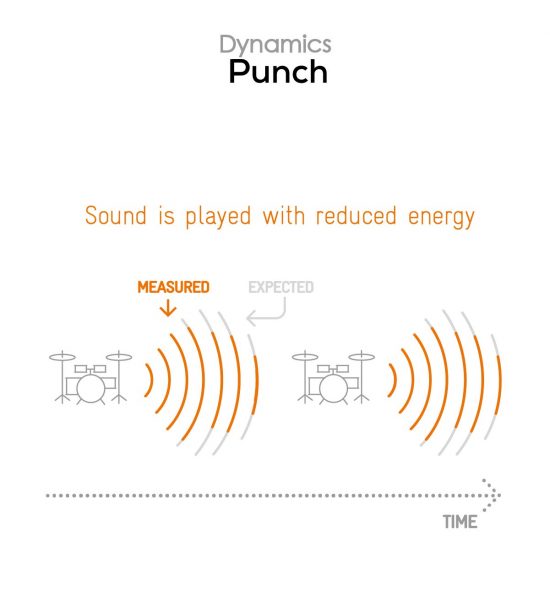
The Dynamics score measures the accuracy of changes in the energy level of sound sources, such as the precision with which a bass note or the impact sound of drums is played.

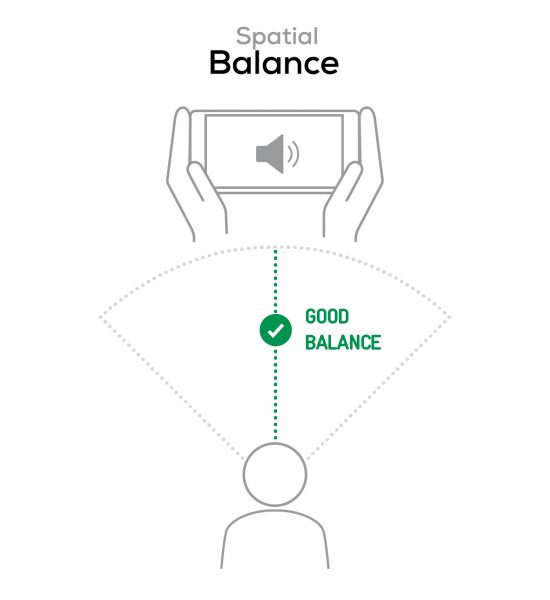
Secondary attributes for spatial tests include identifying the position of a specific sound, its positional balance, distance and amplitude.

The volume score represents the overall volume of a smartphone and how the volume gradually increases and decreases based on user input.
Here are some sound pressure levels (SPLs) measured when playing our sample recordings of hip-hop and classical music at maximum volume:
| Hip-Hop | Classic | |
| Vivo X80 Pro (Mediatek) | 72.2 dBA | 73.2 dBA |
| Nubia RedMagic 7 Pro | 76.4 dB | 73.4 dB |
| Samsung Galaxy S22 Ultra (Exynos) | 74.1 dB | 70.2 dBA |
The graph below shows the gradual changes in volume from minimum to maximum. We expect these changes to be consistent across the range, so that all volume levels match user expectations:
Music volume texture
This line graph shows the relative playback volume versus the user-selected volume step, measured at different volume levels with correlated pink noise in an anechoic box recorded on axis at 0.20 meters.
The Artifacts score measures the extent to which sound is affected by various types of distortion. The higher the score, the less noise you notice. Distortion can occur due to the sound processing in the device and the quality of the speakers.


Total harmonic distortion reproduction (maximum volume)
This graph shows the total harmonic distortion and noise in the audible frequency range.
It represents the distortion and noise of the device reproducing our test signal (0 dB Fs, Sweep Sine in an anechoic box at 40 cm) at the maximum volume of the device.
How the score of the audio recording is composed
SBMARK engineers test the recording by evaluating recorded files on reference audio equipment. These recordings are performed in our labs and in real-life conditions, using apps and predefined settings.
The X80 Pro with the MediaTek chipset performs somewhat better as a recording device than for playback, with fairly solid results in most of the test attributes. Timbre is especially good when recording with the front-facing camera or the memo app, with natural tonal balance, consistent bass, and a mid-range that offers plenty of clarity in most use cases. The highs sound crafty, though.
Well-rendered dynamics ensure flawless intelligibility, thanks to a good signal-to-noise ratio and overall accurate envelope rendering. The performance in the spatial attribute is above average, but leaves room for improvement. The breadth isn’t quite up to par with the best in class, but it does provide a good sense of immersion. Distance rendering is decent, but it’s quite difficult to pinpoint the location of individual sound sources in the scene.
Recordings are loud across all apps and use cases, and the device can handle high sound pressure levels very well, making it a decent option for recording loud events. That said, slight compression and distortion occur on louder content. Our testers also observed slightly more pumping and distortion on heavy bass parts than the Snapdragon version of the same device. The background in the recordings sounds natural and pleasant, thanks to a good tonal balance. It is also nearly free of artifacts.
Here’s how the Vivo X80 Pro (Mediatek) fares in recording use cases compared to its competitors:
Record of use case scores
The Timbre score represents how well a phone captures sounds across the audible tonal range and takes into account bass, midrange, treble and tonal balance. It is the most important attribute for registration.
Life video frequency response
A 1 / 12th octave frequency response graph, which measures the volume of each frequency captured by the smartphone when recording a pure sine wave in an anechoic environment.
The Dynamics score measures the accuracy of changes in the energy level of sound sources, such as how accurately the explosives of a voice (p, tek, for example) are reproduced. The score also considers the signal-to-noise ratio (SNR), such as how loud the main voice is compared to the background noise.


Secondary attributes for spatial tests include locating the position of a specific sound, its positional balance, distance and amplitude on recorded audio files.

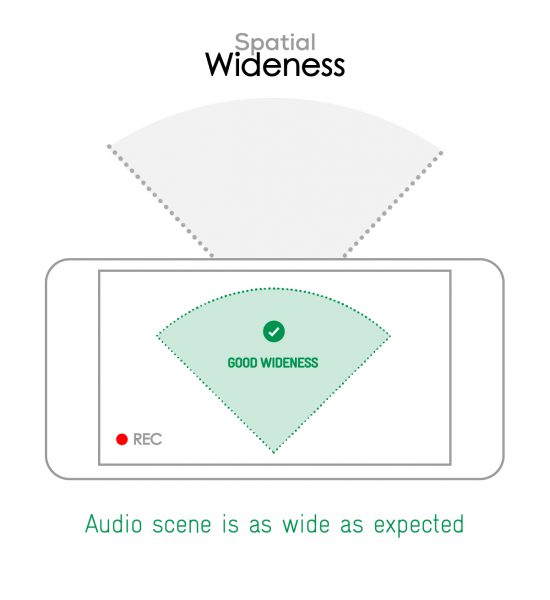
Directivity of registration
Smartphone directivity graph when recording test signals using the camera app, with the main camera. It represents the acoustic energy (in dB) on the angle of incidence of the sound source. (Normalized to the 0 ° angle, in front of the device.)
The volume score represents the normalization level of the audio on the recorded files and how the device handles noisy environments, such as electronic concerts, during recording.
Here are the sound levels recorded in the audio and video files, measured in LUFS (Loudness Unit Full Scale); as a reference, we expect loudness levels to be higher than -24 LUFS for recorded content:
| Match | Life video | Selfie video | Memo | |
| Vivo X80 Pro (Mediatek) | -23.5 LUFS | -17.6 LUFS | -17.8 LUFS | -18.7 LUFS |
| Nubia RedMagic 7 Pro | -33.6 LUFS | -25 LUFS | -20.5 LUFS | -28.1 LUFS |
| Samsung Galaxy S22 Ultra (Exynos) | -28.8 LUFS | -21.7 LUFS | -21.2 LUFS | -23.9 LUFS |
The Artifacts Score measures the extent to which recorded sounds are affected by various types of distortions. The higher the score, the less noise you notice. Distortions can occur due to the sound processing in the device and the quality of the microphones, as well as user handling, such as the way the phone is held.
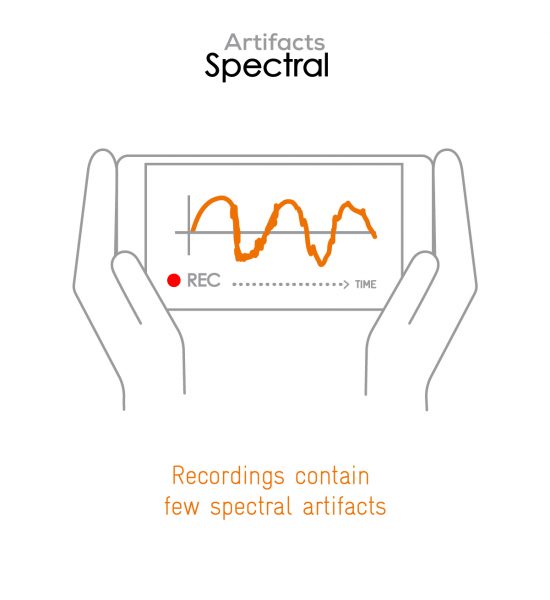

In this audio comparison, you can hear how this smartphone handles wind noise compared to its competitors:
Recordings of a voice sample with light background noise, facing a turbulent wind of 5 m / s
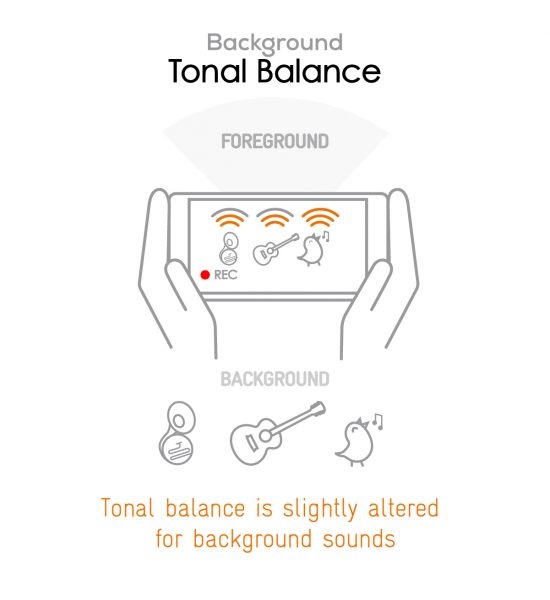
Background evaluates how naturally the various sounds around a voice blend into the video recording file. For example, when recording a speech at an event, the background should not interfere with the main voice, but should provide context for the surrounding environment.



Start a new Thread